Museum


The Collection
UNOAERRE, a worldwide leader in the jewellery industry, inaugurated in Arezzo the first Italian museum dedicated to the art of goldsmithing on 7 March 1988.
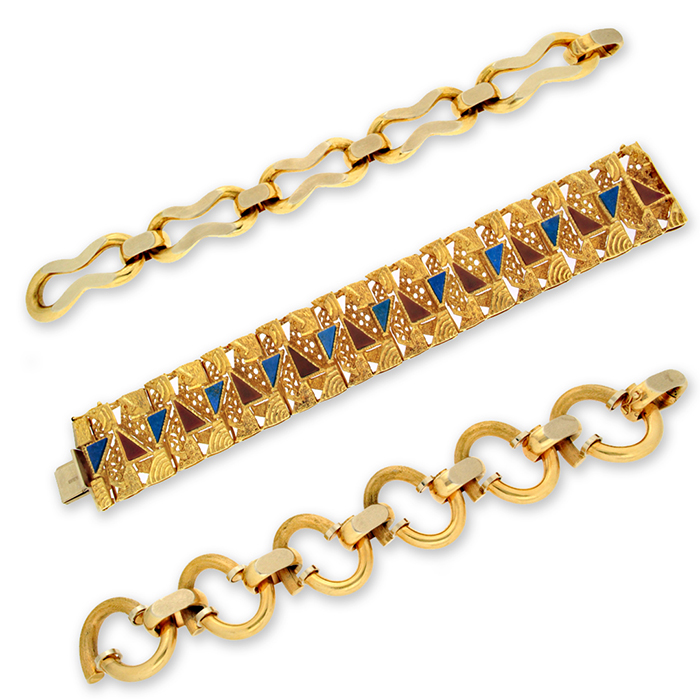
The historical collection, featuring more than 2,000 pieces including original drawings, goldsmith creations and jewellery, represents over 80 years of history.
The collection is still alive and constantly evolving thanks to the continuous addition of the most representative jewels from contemporary collections.
From the 1920s Belle Époque style, to the Garland style and Art Déco of the 1930s; from the explosion of Made in Italy during the 1950s to collaborations with renowned artists, up to the revivals of the 1980s and 1990s, the UNOAERRE Museum represents a true heritage of jewellery art and culture.
The historical collection, featuring more than 2,000 pieces including original drawings, goldsmith creations and jewellery, represents over 80 years of history.
The collection is still alive and constantly evolving thanks to the continuous addition of the most representative jewels from contemporary collections.
From the 1920s Belle Époque style, to the Garland style and Art Déco of the 1930s; from the explosion of Made in Italy during the 1950s to collaborations with renowned artists, up to the revivals of the 1980s and 1990s, the UNOAERRE Museum represents a true heritage of jewellery art and culture.


1926
The birth of a century-old history
The birth of a century-old history
The centenary history of UNOAERRE officially began on 15 March 1926, when the company’s founding agreement was signed in Corso Vittorio Emanuele, today Corso Italia, between the Sienese entrepreneur Leopoldo Gori and the Arezzo-born Carlo Zucchi.
Production followed traditional craftsmanship, with religious gold pendants in yellow and white gold, so-called “mourning earrings”, traditional “Chianina” earrings typical of the Arezzo area since the 18th century, and Garland-style necklaces inspired by the creations that the Parisian company Cartier had introduced to the market during the first decades of the 20th century.
Production followed traditional craftsmanship, with religious gold pendants in yellow and white gold, so-called “mourning earrings”, traditional “Chianina” earrings typical of the Arezzo area since the 18th century, and Garland-style necklaces inspired by the creations that the Parisian company Cartier had introduced to the market during the first decades of the 20th century.

THE 1930s
The origins of an identity
During the 1930s, the Art Déco style marked a turning point in jewellery design. UNOAERRE, then known as Gori & Zucchi, drew inspiration from this movement with its famous “acorn” bracelets, characterised by geometric lines and elegant facets.
During this period, the company also created the so-called “self-sufficient jewellery”, and in 1935 became the first company in the area to request the official recognition hallmark 1AR for its products.

THE 1940s
Jewellery craftsmanship that endures
During the 1940s, the Second World War created a difficult period for the jewellery industry, but UNOAERRE continued to innovate through jewellery design.
After the bombing suffered in 1944, the company resumed production by focusing on creative solutions. Lightweight “interlocking” chains and the use of synthetic stones made it possible to create elegant and accessible jewellery, demonstrating how the art of goldsmithing can reinvent itself even during the most challenging times.

THE 1950s
An era of creativity
During the 1950s, Italy experienced a period of economic and cultural rebirth, and UNOAERRE resumed jewellery production with renewed energy.
New shapes and styles emerged: from “interlocking” chains to “charms” and “tank” bracelets, from “acorn” and “rice grain” bracelets to pendants and brooches inspired by Disney characters.
Thanks to the introduction of lost-wax casting technology, UNOAERRE revolutionised jewellery craftsmanship and trained new generations of artisans, laying the foundations for the development of the Arezzo jewellery district.
The chains of the 1970s and the revivals of the 1980s and 1990s
During the 1970s, different types of chains became extremely popular.
Jewellery design was inspired by geometric and abstract shapes, reflecting the influence of the artistic avant-garde movements of those years.
During the 1980s, silver joined gold as a popular material, especially among younger generations: jewellery became more voluminous, while maintaining a refined and elegant style.
Jewellery design increasingly followed fashion trends, with styles evolving rapidly and fashion becoming the main inspiration behind creative choices.
During the 1980s, silver joined gold as a popular material, especially among younger generations: jewellery became more voluminous, while maintaining a refined and elegant style.
Jewellery design increasingly followed fashion trends, with styles evolving rapidly and fashion becoming the main inspiration behind creative choices.